Creating a sustainable home garden in an urban environment may seem challenging, but with the right approach, it can be both fulfilling and eco-friendly. Whether you have a balcony, rooftop, or a small backyard, cultivating a green space helps improve air quality, supports biodiversity, and provides fresh produce. This guide covers practical tips to help you start and maintain a sustainable garden right in your city home.
Why Choose a Sustainable Garden?
Sustainability in gardening means using practices that are environmentally responsible, conserve resources, and reduce waste. Urban gardens have the potential to:
– Reduce the use of chemical fertilizers and pesticides
– Recycle organic waste through composting
– Promote native plants and support urban pollinators
– Save water with efficient irrigation methods
– Provide local and healthy food options
Focusing on these values helps make your garden not just beautiful but also a small oasis of nature in the city.
Choosing the Right Space and Containers
Assess Your Available Space
Start by identifying where you can create your garden. Possibilities include:
– Balcony or terrace
– Rooftop
– Window sills and ledges
– Small backyard or courtyard
Consider sunlight availability, wind exposure, and how accessible the area is for daily care.
Use Sustainable Containers
If your space is limited, container gardening is ideal. Choose containers made from recycled or natural materials, such as:
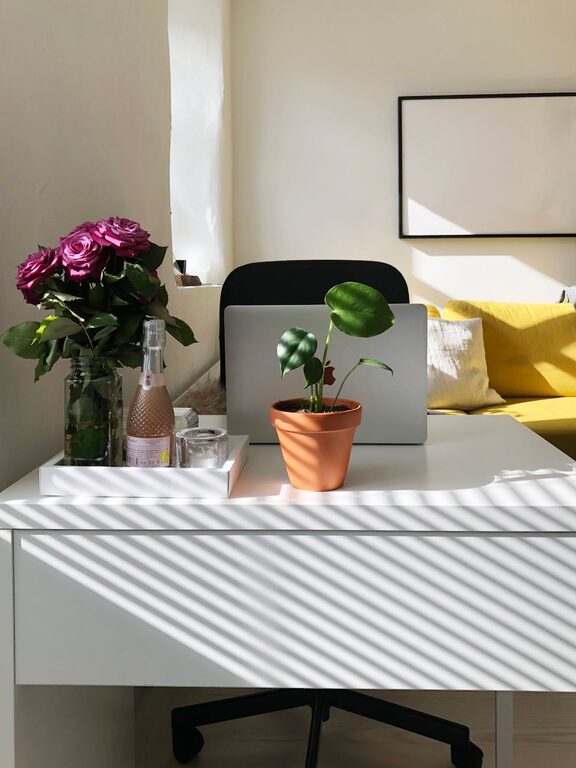
– Terracotta pots
– Wooden planters
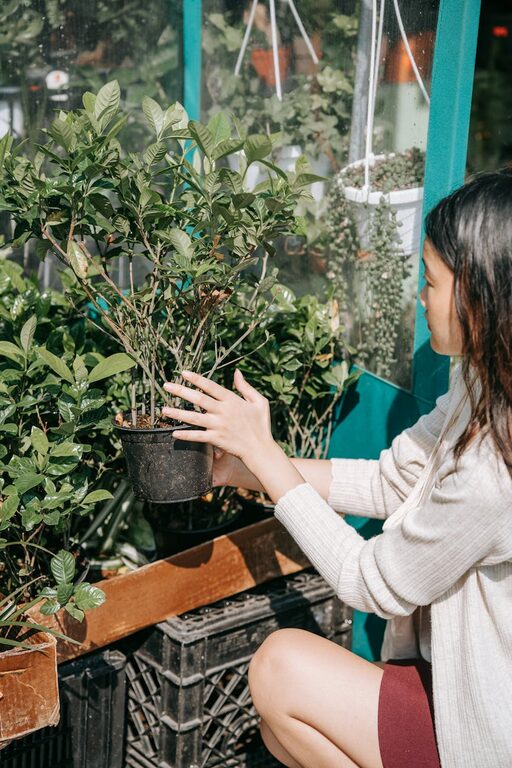
– Upcycled containers like buckets or crates
Make sure containers have proper drainage to prevent waterlogging.
Selecting Plants for Urban Gardens
Focus on Native and Climate-Adapted Plants
Native plants require less water and care because they are suited to the local climate. Research which species naturally thrive in your area and consider incorporating them.
Grow Edible Plants
Small-scale vegetable and herb gardens offer fresh ingredients and reduce the need for store-bought produce. Good options for urban gardens include:
– Leafy greens (spinach, kale)
– Herbs (basil, rosemary, mint)
– Cherry tomatoes
– Peppers
– Radishes and carrots
Include Pollinator-Friendly Flowers
Flowers that attract bees, butterflies, and other pollinators support local ecosystems. Examples are marigolds, lavender, and sunflowers.
Soil and Composting
Use Quality Soil and Compost
Healthy soil is key to sustainable gardening. Use organic potting soil or mix your own with compost to provide nutrients naturally.
Start Composting
Composting kitchen scraps like vegetable peelings, coffee grounds, and eggshells helps reduce waste and enrich your soil. You can use a small compost bin suitable for apartment living or a worm composting system (vermicomposting).
Water Conservation Techniques
Water Efficiently
Urban gardens benefit from mindful watering. Techniques include:
– Watering early in the morning or late evening to minimize evaporation
– Using drip irrigation or soaker hoses for targeted watering
– Collecting rainwater with barrels or buckets
Mulching
Applying a layer of mulch around plants helps retain moisture, control weeds, and improve soil health. Use natural materials like straw, shredded leaves, or wood chips.
Sustainable Garden Maintenance
Avoid Chemicals
Instead of chemical pesticides and fertilizers, try natural alternatives like neem oil for pest control or homemade compost for fertilization.
Practice Crop Rotation and Companion Planting
Rotating crops and planting compatible species together improves soil health and reduces pests.
Reduce Waste
Reuse garden materials whenever possible and recycle pots, labels, and plant stakes.
Enhancing Biodiversity and Urban Wildlife
Encourage biodiversity by:
– Setting up bird feeders or baths
– Including a variety of plants that bloom at different times
– Leaving some areas undisturbed for insects and small creatures
This creates a balanced environment that supports urban wildlife and improves your garden’s resilience.
Final Thoughts
Starting a sustainable home garden in an urban setting not only brings nature closer but also promotes a healthier lifestyle with fresh, organic food and cleaner air. Begin small, be patient, and enjoy the process of nurturing your green space. Your sustainable garden can become a rewarding retreat in the heart of the city.
—
With these tips, anyone can create a thriving urban garden that benefits both the environment and personal well-being. Happy gardening!
About the Author